What Is a TOPS Number, and Why Do Laptop Ads Keep Using It?
Every new laptop brags about its 'TOPS' for AI. Here's what TOPS actually measures, why it's on every box now, and how much it should affect your purchase.

Walk through any laptop store in 2026 and every box shouts a "TOPS" number, usually next to the word "AI." It sounds important and most shoppers have no idea what it means. Here's the plain version — and how much you should actually care.
What TOPS measures
TOPS stands for Trillions of Operations Per Second. It measures how many simple math operations a chip's NPU (Neural Processing Unit) can crunch — and AI models are, under the hood, enormous piles of simple math. So a higher TOPS number means the laptop can run on-device AI tasks faster.
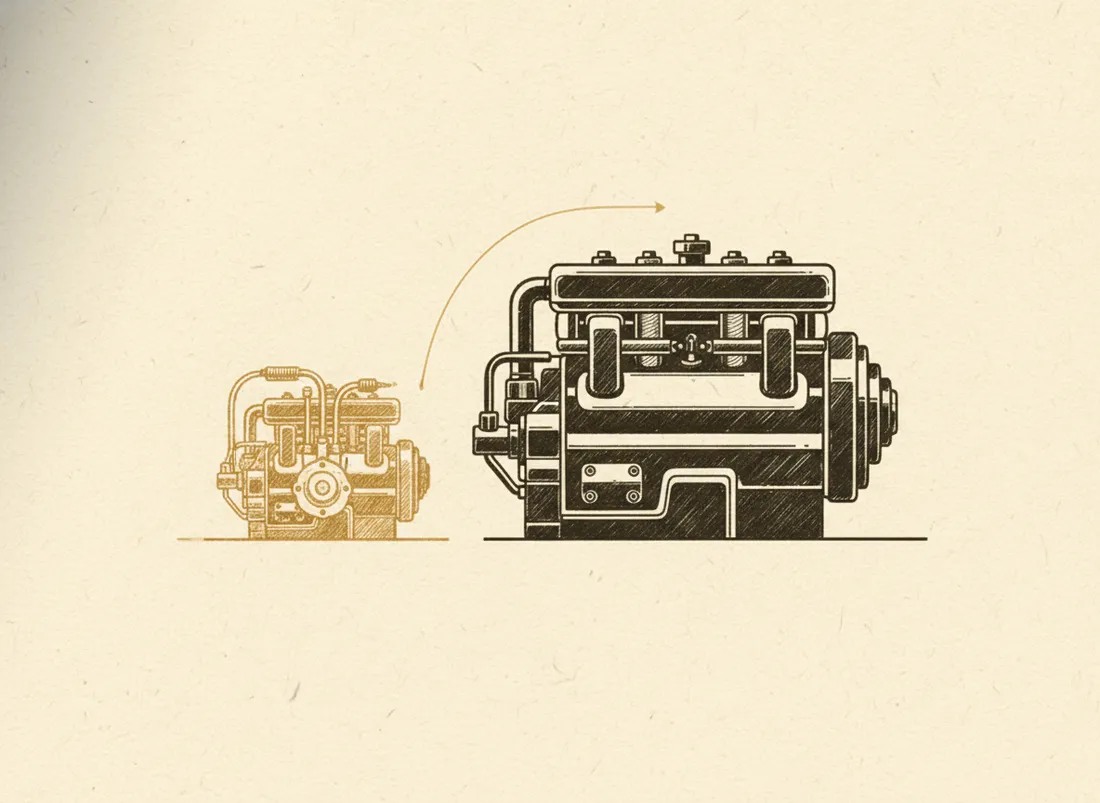
Why there's a whole new chip for it
Your laptop already has a CPU (general brain) and often a GPU (graphics muscle). The NPU is a third, specialised engine built only for the repetitive math AI needs — and it does that math using far less power than the CPU or GPU would. That efficiency is the point: it lets AI features run continuously without nuking your battery.
TOPS is to AI features what horsepower is to a car — useful context, but not the whole story of how it drives.
What it's actually used for
- Live video effects: background blur, eye-contact correction, noise removal on calls.
- On-device assistants and search that don't send your data to the cloud.
- Local image generation and editing.
- Real-time transcription and translation, offline.
How much should it sway your purchase?
Be honest about your usage. If you mostly browse, write, and watch video, a high TOPS number is largely wasted — your money is better spent on more RAM or a faster SSD, which you'll feel every day. If you genuinely lean on local AI features, then yes, more TOPS helps. Either way, don't let one big number on the box make the decision for you — it's exactly the kind of single-spec marketing that also plagues USB-C cables.
Key takeaways
- TOPS = trillions of operations per second, a measure of AI throughput.
- It reflects the NPU, a power-efficient chip built just for AI math.
- Matters if you use on-device AI heavily; mostly irrelevant otherwise.
- For most users, RAM and SSD speed improve daily life far more.
Frequently asked questions
Do I need a high-TOPS laptop?
Only if you'll use on-device AI features heavily — local image generation, real-time effects, offline assistants. For browsing, office work and media, TOPS barely matters. Don't overpay for a number you won't use.
Is TOPS a reliable way to compare laptops?
Loosely. It measures peak AI throughput of the NPU, but real-world AI performance also depends on software, memory and the specific task. Treat TOPS as a rough indicator, not a precise ranking.