What Is a CDN, and Do You Actually Need One?
A CDN makes websites load faster by serving them from servers near each visitor. Here's how content delivery networks work and when your site needs one.
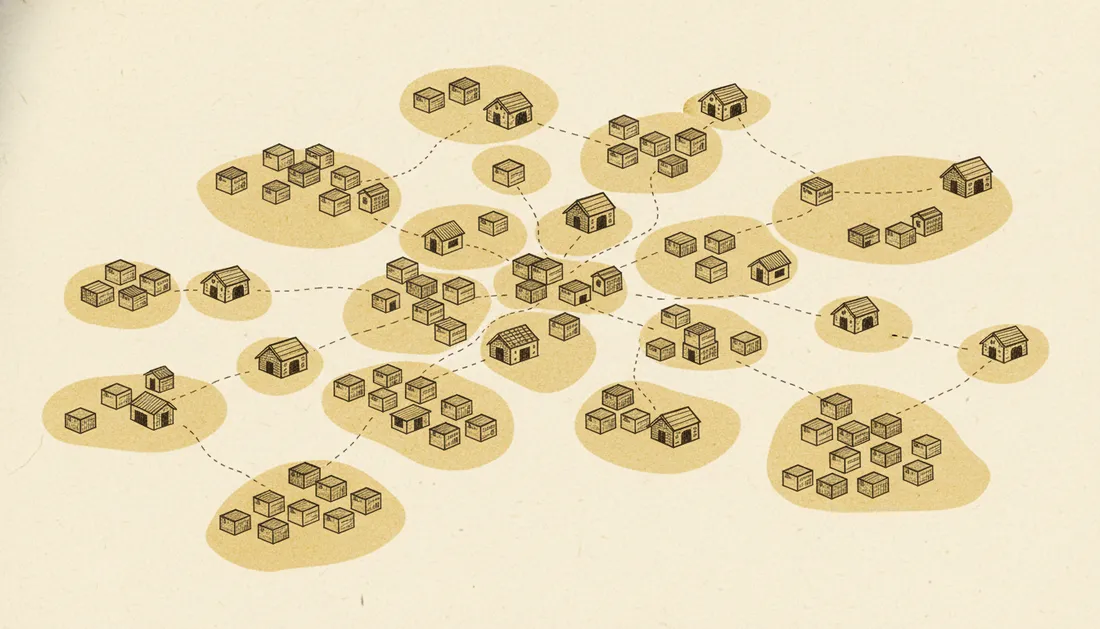
If your website's server is in one city but your visitors are worldwide, everyone far away waits longer for every image and file. A CDN — content delivery network — fixes that by keeping copies of your site near everyone. It's one of the cheapest, biggest speed wins on the web.
The core idea
A CDN is a global network of servers (called edge nodes or PoPs). It stores cached copies of your site's static files — images, CSS, JavaScript, fonts, video — across all of them. When someone visits, they're served from the nearest node instead of your distant origin server.
Why it's faster
It comes down to physics, the same reason the edge beats the cloud for latency: a file travelling from a server in your city arrives far quicker than one crossing an ocean. By shortening that distance for every asset on the page, a CDN can cut load times dramatically — and a faster page means happier users and better search rankings.
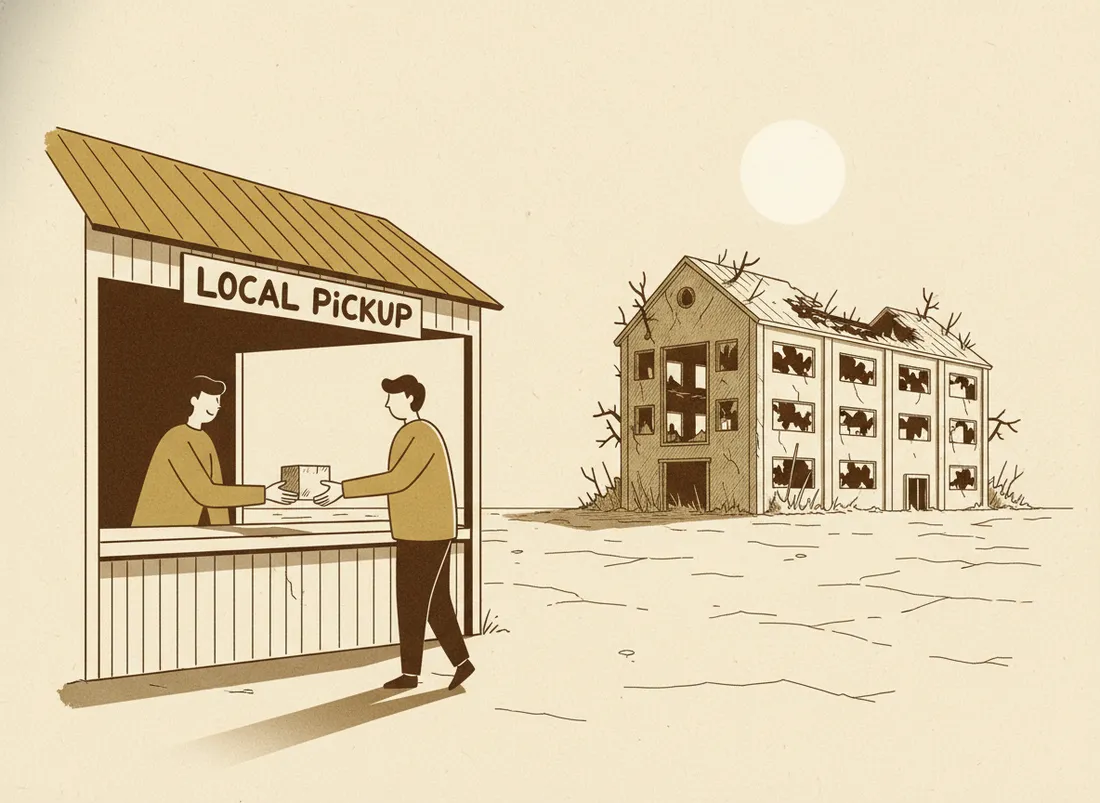
Without a CDN, every visitor queues at one shop. With one, there's a branch on every corner.
Beyond speed
- Handles traffic spikes. If you go viral, the CDN absorbs the load instead of your origin server melting.
- Protects your origin. Most requests are answered by the CDN, so your server does less work.
- Security. CDNs typically include DDoS protection and a web application firewall, filtering bad traffic before it reaches you.
Do you need one?
- Yes, basically, if you have visitors in more than one region, or your pages carry lots of images/video/scripts, or you care about resilience and security.
- Less so for a tiny site with purely local visitors — though many CDNs have generous free tiers, so the cost of "just using one" is often zero.
For most sites in 2026, a CDN is close to a default — it's the easiest big improvement to the journey a page takes from the moment someone hits Enter.
Key takeaways
- A CDN caches your site on servers worldwide, serving each visitor the nearest copy.
- It cuts latency by shortening the distance every asset travels.
- It also absorbs traffic spikes and adds DDoS/firewall protection.
- Worth it for almost any site with broad reach or heavy assets.
Frequently asked questions
Does a CDN make every website faster?
It helps any site with visitors spread across regions, and especially sites heavy with images, video, scripts and fonts. A tiny local-only site sees less benefit, but most sites gain noticeably.
Is a CDN only about speed?
No. CDNs also absorb traffic spikes, reduce load on your origin server, and provide security features like DDoS protection and a web application firewall.