Cloud vs Edge Computing: The Difference, Explained
The cloud is powerful but far away; the edge is close but small. Here's what edge computing really means, how it differs from the cloud, and when each wins.
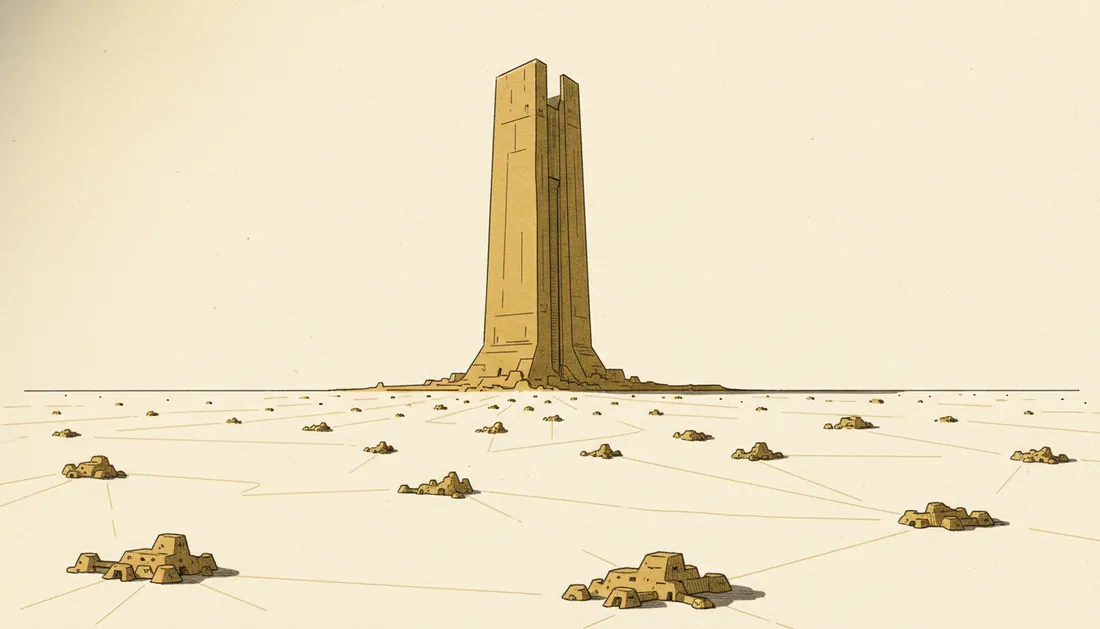
"The cloud" trained us to think computing happens in giant distant data centres. "The edge" is the counter-move: do some of the work much closer to the user. Neither replaces the other — they're a team — but the difference is worth understanding.
The cloud: powerful, central, far
Cloud computing means running your software in large data centres operated by providers. The upside is enormous, elastic power and storage on demand. The catch is distance: if the data centre is far from the user, every request makes a long round trip, adding delay (latency).

The edge: small, distributed, close
Edge computing pushes some work out to many smaller locations near users — regional servers, cell towers, even the device itself. The win is latency: a response from a server in your city arrives far faster than one from across the world. The trade-off is that edge locations are smaller and can't do everything the cloud can.
The cloud has the muscle; the edge has the reflexes.
When the edge wins
- Real-time needs: gaming, video calls, live AR, self-driving — anything where milliseconds matter.
- Bandwidth savings: process a camera's video locally and send only the summary, not the whole stream.
- Resilience: keep working even if the connection to the central cloud drops.
- Privacy: process sensitive data locally — the same logic behind on-device AI.
When the cloud wins
- Heavy lifting: training big models, crunching huge datasets, long-term storage.
- Coordination: a single source of truth that all the edges sync to.
The real-world pattern
Modern systems blend them: the edge handles the fast, local, latency-sensitive parts (often serving content from a CDN), while the cloud does the heavy processing and keeps the master data. Increasingly, lightweight WebAssembly runtimes let the same code run safely in both places.
Key takeaways
- Cloud = central, powerful, but farther away (higher latency).
- Edge = distributed, close to users, fast, but smaller.
- Edge wins for real-time, bandwidth, resilience and privacy.
- They're complementary — most systems use both together.
Frequently asked questions
Does edge computing replace the cloud?
No — they work together. The edge handles fast, local, latency-sensitive work; the cloud handles heavy processing, storage and coordination. Most modern systems use both.
Why is the edge faster?
Physics. Data can only travel so fast, so a server in your city responds quicker than one across the ocean. The edge cuts the round-trip distance, slashing latency.