Deepfakes in 2026: How to Spot AI-Generated Video
AI video is good enough to fool you. Here are the practical tells, verification habits and tools that still help you spot a deepfake in 2026.
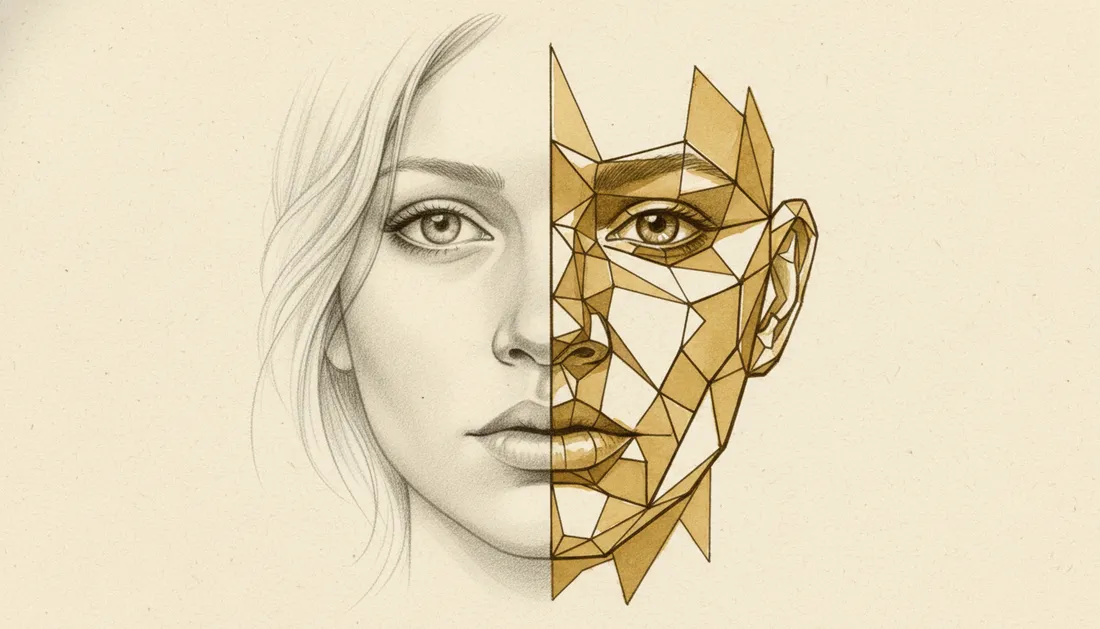
For years, "just look closely" was decent deepfake advice. In 2026 it isn't enough. AI-generated video has crossed the line where a quick scroll past won't save you. The good news: a handful of habits still work — they've just shifted from spotting pixels to verifying sources.
Visual tells that still sometimes help
These are weaker than they used to be, but worth a glance:
- Hands and teeth. Fine, repetitive structures still trip up many generators — count fingers, watch for teeth that shift.
- Edges and hair. Look where a face meets hair or a background; flicker and smearing can appear there.
- Physics that's slightly off. Reflections, shadows and jewellery that don't move quite right.
- Lip-sync and blinking. Audio that drifts from mouth movement, or unnaturally regular blinking.
Treat these as hints, not proof. A clean video can still be fake; a glitchy one can be real but compressed.
The habits that actually protect you
Because visual detection is losing, verification wins:
- Check the source. Who posted it first? A real account with history, or a day-old profile?
- Find a second source. Big events are covered from many angles. One lonely clip is a red flag.
- Reverse-search a frame. Screenshot and search it — you may find the original, or debunks.
- Notice your own emotions. Fakes are engineered to make you furious or terrified enough to share before thinking.
The question is no longer "does it look real?" but "where did it come from and who else has it?"
Provenance is the long-term fix
Industry standards like content credentials (C2PA) embed a signed history into media so you can check whether a file came from a real camera and how it was edited. Adoption is growing; expect "verified capture" badges to become as normal as the padlock in your browser. Until then, your scepticism is the best detector you have — the same instinct that helps you tell if a link is safe.
Key takeaways
- Visual tells (hands, edges, lip-sync) still help but are fading fast.
- Verify the source and find a second independent one.
- Reverse-search frames; watch for content engineered to enrage.
- Provenance standards like C2PA are the real long-term fix.
Frequently asked questions
Can you always tell if a video is a deepfake?
No. The best generated video can pass a casual glance. That's why source verification — where did this come from, who first posted it — now matters more than hunting for visual glitches.
What's the fastest way to check a suspicious clip?
Reverse-image-search a frame, look for the same event from a second independent source, and check whether reputable outlets are reporting it. If it only exists in one place and is engineered to make you angry, be suspicious.