Is Prompt Engineering Dead? What Actually Works Now
Models got smarter, so the old prompt tricks died. Here's what still reliably improves AI output in 2026 — and what's now a waste of typing.
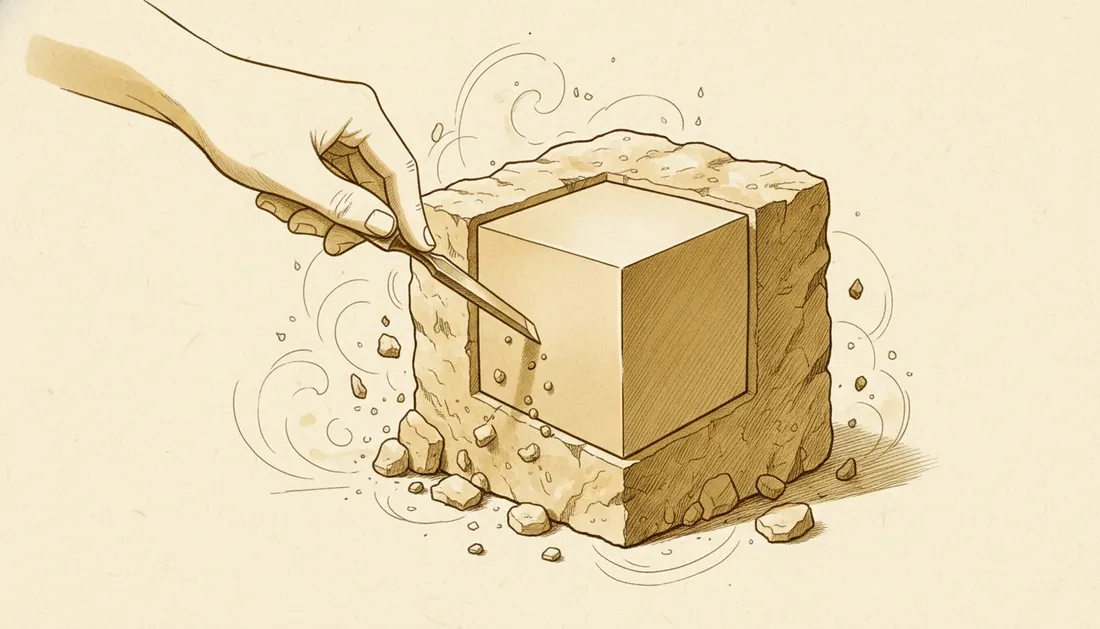
Two years ago, "prompt engineer" was a job title and the internet was full of magic phrases that supposedly unlocked hidden power. In 2026, most of those tricks are dead — not because prompting stopped mattering, but because the models got good enough to not need the theatrics.
The skill didn't disappear. It changed from incantation to communication.
What stopped working
- "You are a world-class expert…" Modern models already adopt the right register from the task itself. Persona padding rarely moves the needle now.
- Threats and bribes. "I'll tip you $200" and "my grandmother will die" were always silly; today they do nothing.
- Secret keywords. There's no hidden phrase that doubles quality. There never really was.
What actually works
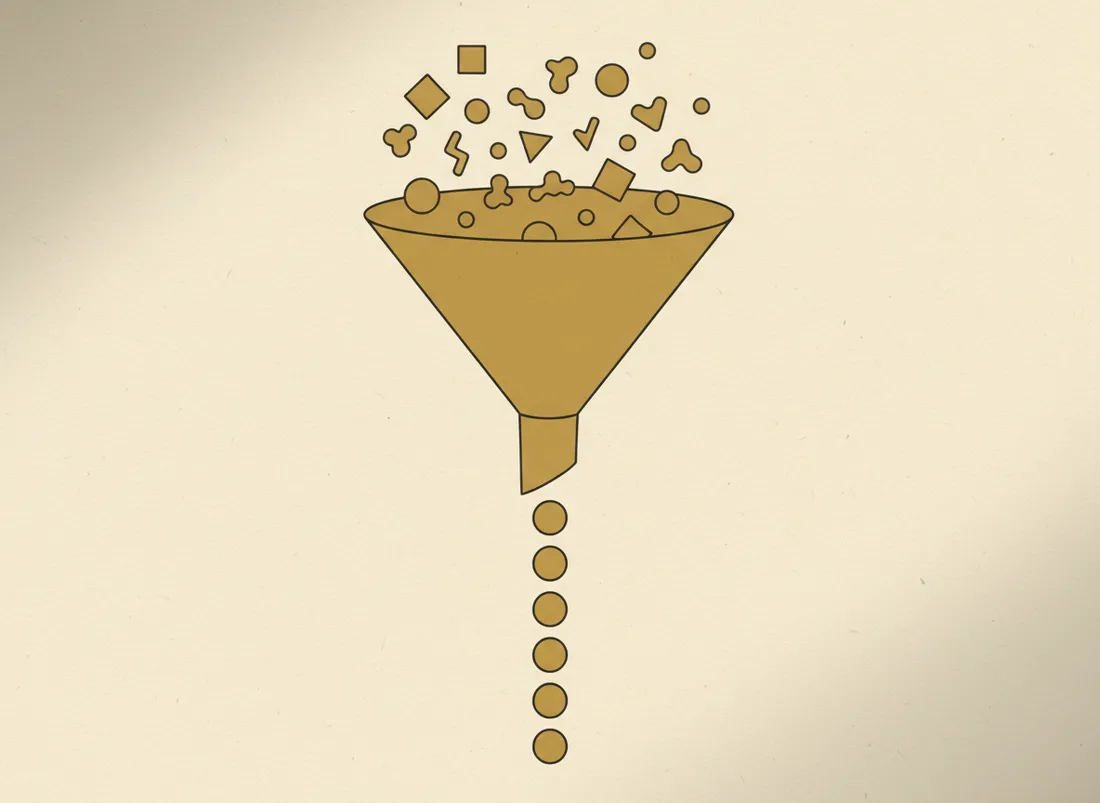
Everything that works now comes down to reducing ambiguity. The model can do the task; your job is to remove the guesswork.
- Give context, not adjectives. Instead of "write a good email," paste the thread, state the goal, name the audience. Context beats vibes.
- Show the shape of the output. Ask for a table, a 5-bullet list, JSON with named fields. Specifying format is the single highest-leverage move.
- Give one example. A single good example ("here's the style I want") outperforms paragraphs of description.
- Let it think for hard tasks. For multi-step reasoning, ask it to work through the problem before answering. Reasoning models do this internally, but nudging still helps on tricky logic.
- Iterate in turns. Don't craft one perfect mega-prompt. Get a draft, then steer: "tighter," "more concrete," "drop the intro."
The best prompt is usually just a clear brief you'd be happy to hand a sharp new colleague.
The one trick that still pays off
Structured output. If you tell the model exactly what fields you want back, you get reliable, parseable results — which is also the backbone of how AI agents chain steps together. Format discipline is the prompt skill that survived.
Key takeaways
- Magic phrases, personas and threats no longer help.
- Clarity wins: context, a concrete output format, and one example.
- Iterate in short turns instead of crafting one giant prompt.
- Specifying output structure is the trick that still reliably works.
Frequently asked questions
Is prompt engineering still a useful skill?
Yes — but it shifted. The valuable skill is now clear thinking and context-giving, not memorising magic phrases. Knowing how to specify a task precisely matters more than ever.
Does saying "you are an expert" still help?
Far less than it used to. Modern models infer the role from a well-specified task. Persona framing only helps when it genuinely changes the style or audience of the answer.